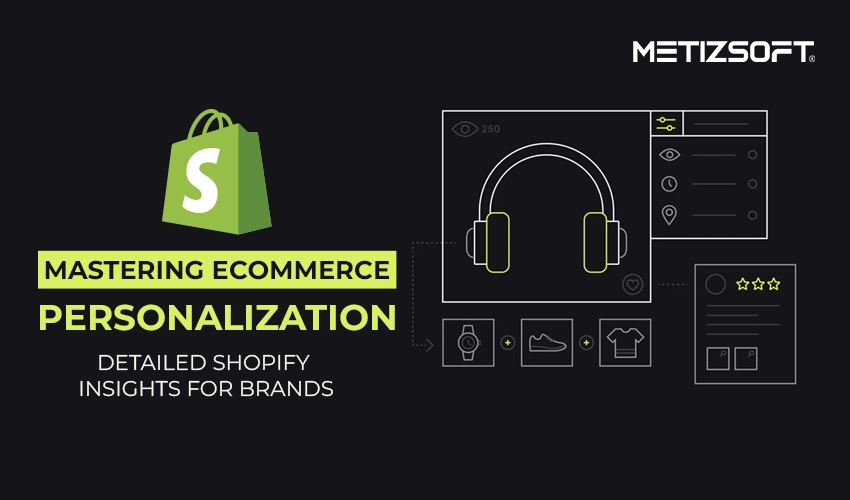
As time, technology, and demand progress, meeting customers’ shopping expectations at every level has become challenging. Gone are the days of generic ads and content that used to drive users to the shopping cart. In the age of 5G and a rapidly evolving digital marketplace, customers are looking for shorter, more personalized options. Hence, the race to be more personalized has become the norm among eCommerce brand owners.
A strategic approach to eCommerce personalization is essential for setting your business apart in the competitive market. Tailoring the shopping experience enhances customer satisfaction and positively impacts your business’s profitability.
This comprehensive eCommerce guide will unveil eCommerce personalization, its types, and benefits. You will also learn the best eCommerce personalization tricks to cut the competition and stay proactive in the eCommerce landscape.
Table of Contents
What is Ecommerce Personalization?
Ecommerce personalization is a strategic approach that tailors every online shopping experience to meet individual customers’ needs and preferences. This includes using data on past purchases, browsing behavior, demographics, and other relevant factors to deliver personalized product recommendations, targeted content, and exclusive offers.
The ultimate objective of e-commerce personalization is to create a highly customized shopping journey that meets each customer’s unique needs and enhances their overall satisfaction, engagement, and likelihood of purchasing. This approach is founded on the idea that by providing a tailored and personalized experience, businesses can significantly improve customer retention, loyalty, and, ultimately, their bottom line.
What are the Different Levels of eCommerce Personalization?
There are three different levels of ecommerce personalization:
- One-to-One: It involves sending personalized notifications, such as abandoned-cart alerts, to engage customers and encourage them to complete their purchases.
- One-to-Few: ECommerce personalization can apply to multiple visitors instead of just one individual, such as offering an exclusive discount to top customers.
- One-to-Many: One-to-many personalization, or segmented audiences, customizes experiences for a large portion of visitors. For example, a geolocation-based page design shows different metro skylines based on the visitor’s location.
Describing the Benefits of Ecommerce Personalization
Personalization helps customers quickly discover products they are interested in, making the shopping experience more convenient. It also brings many benefits to the table.
Enhance Conversions: Personalization shows relevant products to customers based on their browsing history, leading to higher conversion rates. According to Monetate, personalized product recommendations can increase conversion rates by up to 8%.
Improve Customer Experience: Providing a personalized shopping experience based on customers’ needs and interests can enhance overall customer satisfaction and strengthen the relationship between your business and its customers. Customers receiving personalized product recommendations are likelier to continue shopping with your brand.
Help Making Informed Decisions: The data gathered through personalization tools can be used to make informed business decisions, such as boosting sales through product recommendations, shaping future product development, and creating targeted marketing campaigns.
Increase Highest Average Order Value (AOV): Implementing ecommerce personalization can increase your average order value (AOV) by encouraging customers to consider complementary or higher-value items through tailored product recommendations and customizing discounts and product bundles based on each customer’s purchasing behavior.
Bolster Brand Image: Ecommerce personalization also enhances your brand image. When customers feel understood, they are likelier to remain loyal and not switch to competitors.
Top Ecommerce Personalization Strategies
To be precise, the book has no fix or one-fit personalization strategy. It all depends on your market performance, target audience preferences, and the budget you have planned to spend on marketing. But there are always lessons in previous events and experts’ analyses.
So, here are a few result-driven eCommerce personalization strategies that have turned out victorious for many eCommerce owners.
1. Pre-checkout Engagement
Understanding how visitors interact with your store is essential. Visitors looking for a specific product will likely quickly use the search bar to find what they want. On the other hand, those who are more open to exploring different options will rely on menu options and category pages to browse your offerings.
When visitors are ready to purchase, they must navigate the checkout process. It’s crucial to personalize each area’s internal search results, menu options, category pages, product pages, and the checkout process to ensure the shopping experience is tailored to each visitor’s preferences and needs.
2. Post-checkout Engagement
When customers revisit your website, you can tailor the content, images, and promotions based on their previous purchases. This personalized approach can significantly increase sales and customer lifetime value (CLV). That’s why analyzing sales data is crucial. By understanding a customer’s purchase history, you can effectively promote related products to them.
3. Smart Reviews/Feedbacks
Customers can refine their review searches to display only those from individuals with similar physical attributes or beauty concerns. Furthermore, users can engage in discussions with one another through an on-site Conversations forum. Thinx reviews also offer valuable details about each reviewer, including their height, period management practices, and the size of the product purchased, enabling buyers to pinpoint the most pertinent feedback.
4. Social Retargeting with Smart Recommendation
After visitors leave your site, you can re-engage them through social media retargeting. Timing is key to the success of this approach. Granulated retargeting, an advanced strategy, considers a site visitor’s diminishing value over time. You can optimize your ad spend by adjusting your retargeting efforts as the visitor’s value decreases. Shortening the retargeting period to 7 to 14 days can help you connect with customers when they are most likely to purchase.
5. Live Chat
Every business should have an FAQ section on its website to answer general queries. An ideal solution is to offer live chat support, which allows businesses to interact with website visitors in real time, address their concerns promptly, and increase sales.
This personalized approach also helps in building strong customer relationships and brand loyalty. However, live support can be costly. An alternative is an AI chatbot, which, although less accurate than a human representative, offers a more personalized experience than a static FAQ.
6. Video Marketing
It is incredible to witness the trend shifting towards “general scripting ads” to “video marketing” in the evolving era of eCommerce marketing. Thanks to the quickfire 5G internet and influencers, customers are more addicted to short videos. Even e-commerce giants like Myntra, Amazon, Flipkart, and more have started to post customers video reviews of their purchases rather than long feedback content. The trick is straightforward here: people are more interested in events that save their time and are genuine at the same time.
7. Email Marketing
Segmenting your website visitors based on their customer journey stage is crucial for creating targeted and effective marketing emails. This allows you to send short, personalized messages that resonate with their interests.
- Abandoned Cart Alert: If someone adds items to their shopping cart/bag but doesn’t complete the purchase, they may need to focus more on their items before checking out. In this case, sending an email reminder could encourage them to complete the purchase.
- We Miss You: If a loyal customer hasn’t placed an order in a long time based on their purchase history, send them a reminder highlighting the products they used to buy from you.
8. Push Notification
In the digital landscape, push notifications are a robust tool for engaging with customers. A notable shift occurred in 2017 when most web traffic originated from mobile phones, making this platform an essential channel for customer outreach.
Push notifications are particularly effective at capturing attention, as they can appear regardless of the app the visitor is using. However, it’s crucial to exercise restraint with this strategy, as excessive use may harm your brand and lead to customer dissatisfaction, potentially resulting in reduced patronage.
9. Retargeting Ads
When visitors access your website, the web server transmits small data, known as “cookies,” to their browser. These cookies are utilized to track and store information. By leveraging cookies, you can invest in targeted advertising on platforms like Google and Facebook, explicitly reaching individuals who have previously engaged with your brand.
This marketing tactic is commonly referred to as retargeting or remarketing. Although retargeting ads may be more costly than sending emails or SMS, the potential benefits of securing transactions and cultivating loyal, repeat customers make the investment worthwhile.
Build an Effective ECommerce Personalization Strategy Today
It’s no secret that eCommerce personalization has changed people’s perceptions and expectations of retail brands. The time for generic marketing is gone, and customers will no longer show interest. In this multi-channel market, you must invest in emerging tech stacks and methods that must be bespoke in the long term. The more personalized and advanced the eCommerce strategy you adopt, the higher your engagement and revenue.
With Shopify, you can develop result-driven Shopify eCommerce personalization strategies that could take your brand to the top level. From personalized email marketing to store optimization and many more, you can devise the best methods to beat the heat in the market and shine above all. Contact Metizsoft today, the most trusted Shopify partner, and work alongside Shopify Experts to grow your store.
Discovering What Makes Shopify Stand Out
- Shopify Website Design Pricing Guide
- Shopify Plus vs Composable Commerce (2026)
- 2026 Shopify Growth Strategy for D2C Brands
- How to Build a Fashion Brand in 2026
- The Future of No-Code Shopify Apps